A New Operating Model for Data, Informatica MDM MCP Server
Table Of Contents
Table Of Contents
Every enterprise depends on trusted data to grow, comply, and compete. Yet as volumes rise and systems multiply, too many organizations find themselves with fragmented, duplicated, or unverified information. The result: operational inefficiency, poor customer experiences, and increased compliance risk. Decision makers shouldn’t have to waste hours searching for data — only to question its accuracy.
Agentic AI promises to automate these manual tasks — cleansing, validating, and assembling data into actionable insights. But AI agents are only as reliable as the data they consume. Without clean, trusted, and governed master data, automation simply accelerates bad decisions. The real opportunity isn't just deploying AI — it's ensuring that AI operates on a foundation of truth. That's where Informatica transforms the equation.
Informatica’s approach to creating trusted enterprise data brings together MDM SaaS, an API Gateway, and the Model Context Protocol (MCP) into a seamless architecture. This enables organizations to transform raw data services into enterprise-ready business capabilities: governed at scale, resilient across clouds, and consumable by both humans and AI.

Think of the process like running a modern high-speed rail system:
- The Passenger (Business User): Simply states a destination — “Take me from Paris to Berlin.” This is the natural language prompt.
- The Conductor (Claude/Gemini Pro): Interprets the passenger’s request, determines the route, and sequences the stops. This is the reasoning layer — deciding which systems and steps are needed.
- The Rail Network (MDM SaaS APIs): Each station along the route offers essential facilities — ticketing offices verify passenger credentials, baggage services consolidate luggage, information desks enrich travel plans, and connection hubs link different routes. Similarly, MDM provides specialized APIs for validating identity, merging duplicates, enriching records, and finding relationships across systems.
- The Control Tower (MCP Server): Oversees the whole journey, ensuring policies are followed, traffic is sequenced, and the train runs consistently across every geography (cloud).
- The Arrival (Trusted Business Outcome): The passenger arrives safely and on time — a clean, governed, complete business process executed from a single prompt.
This blueprint illustrates an MCP Server on top of Informatica MDM SaaS. It represents not just a technical modernization, but a fundamental shift in how organizations can interact with their most critical data assets.
Establishing a Trusted Data Foundation
Informatica MDM SaaS provides a single source of truth across critical business domains — customers, suppliers, products, reference data, locations, and more. Its services handle:
- Entity Management: creating, searching, cleansing, and updating master records.
- Matching and Merging: deduplicating, reconciling, and consolidating records.
- Stewardshipand Workflow: enabling oversight and change management.
- Governance and Security: enforcing rules, tracking lineage, and protecting access.
- Validation and Enrichment: ensuring data is accurate, standardized, and fit for purpose.
- Relationships and Hierarchies: linking across domains (e.g., customers to accounts).
For executives, this foundation means:
- CEOs can pursue growth with confidence in customer insights.
- CFOs get accurate, reconciled numbers across financial systems.
- CDOs enforce governance and accountability.
- CIOs reduce complexity by centralizing core data services.
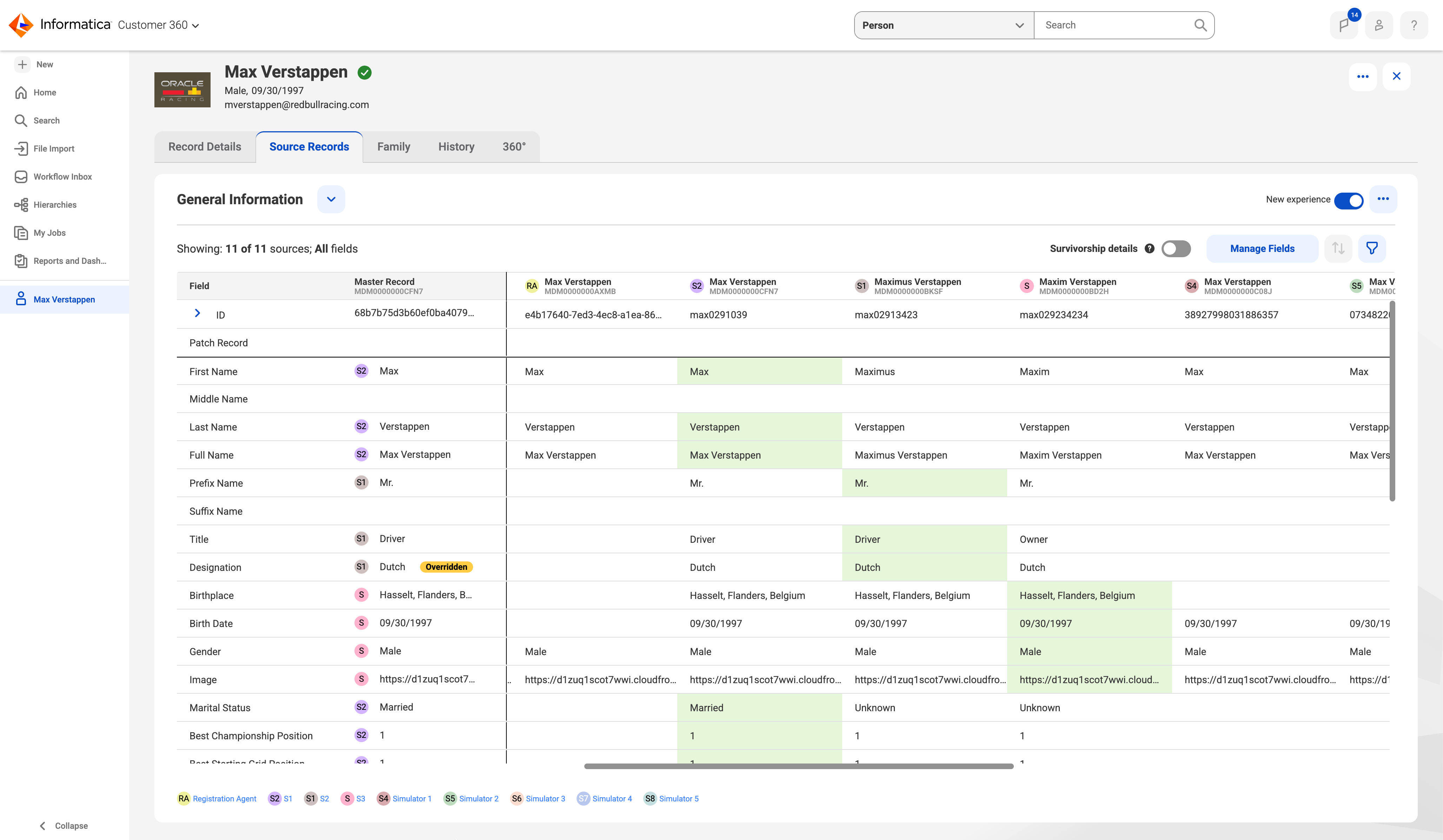
Figure 1. Informatica Customer 360 dashboard
Enforcing Governance and Simplification with API Center
MDM Services are assembled and published in API Center (API-C) as a single endpoint, consolidating more than 30 operations into one governed service.
Business value delivered through API Center:
- Centralized Governance: one control plane for publishing, securing, and monitoring APIs.
- Operational Transparency: real-time analytics on API usage and performance.
- Enterprise Scale: Elastic infrastructure enables massive concurrent real-time operations.
- Resilience Across Clouds: with fastMCP, deployment works seamlessly across Oracle, Azure, AWS, and GCP.
For executives, API-C means lower risk, higher reliability, and more predictable scaling.
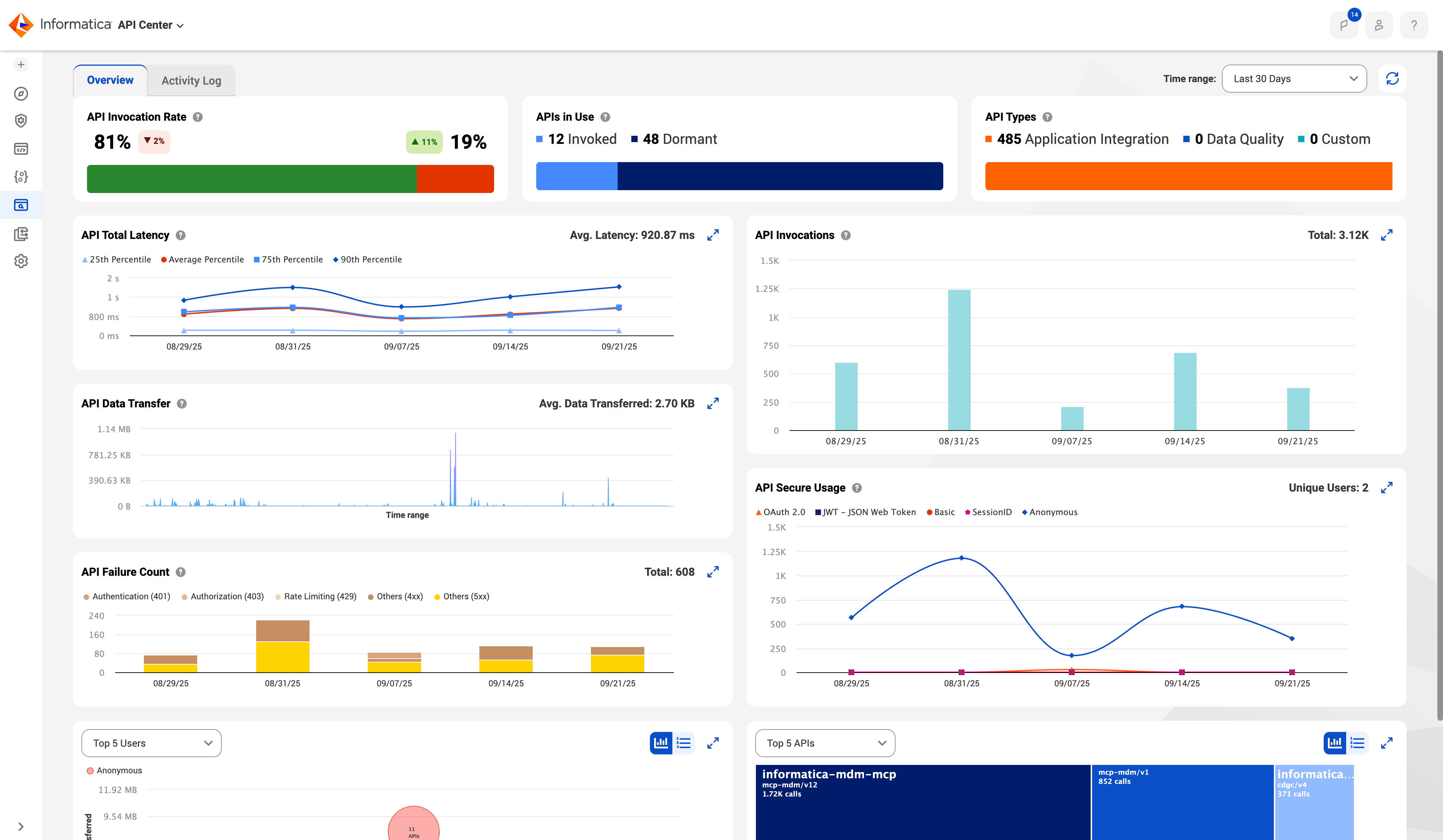
Figure 2. Informatica API Center screenshot.
Turning Data into Business Capabilities with MCP Server
With the unified API specification in place, the MCP Server operationalizes it into business-ready tools. Instead of raw technical endpoints, users and teams now have access to governed capabilities such as:
- Customer Lookup: instantly retrieve a single view of a customer.
- Duplicate Prevention: ensure no conflicting records are created.
- Workflow Task Management: accelerate stewardship approvals.
- Contact Data Services: validate and verify addresses, phone numbers, and more.
Why this matters for business leaders:
- CEOs see business strategies powered by accurate data.
- CFOs trust consolidated financial reporting.
- CIOs gain operational consistency across every cloud.
- CDOs enforce role-based access and governance seamlessly.
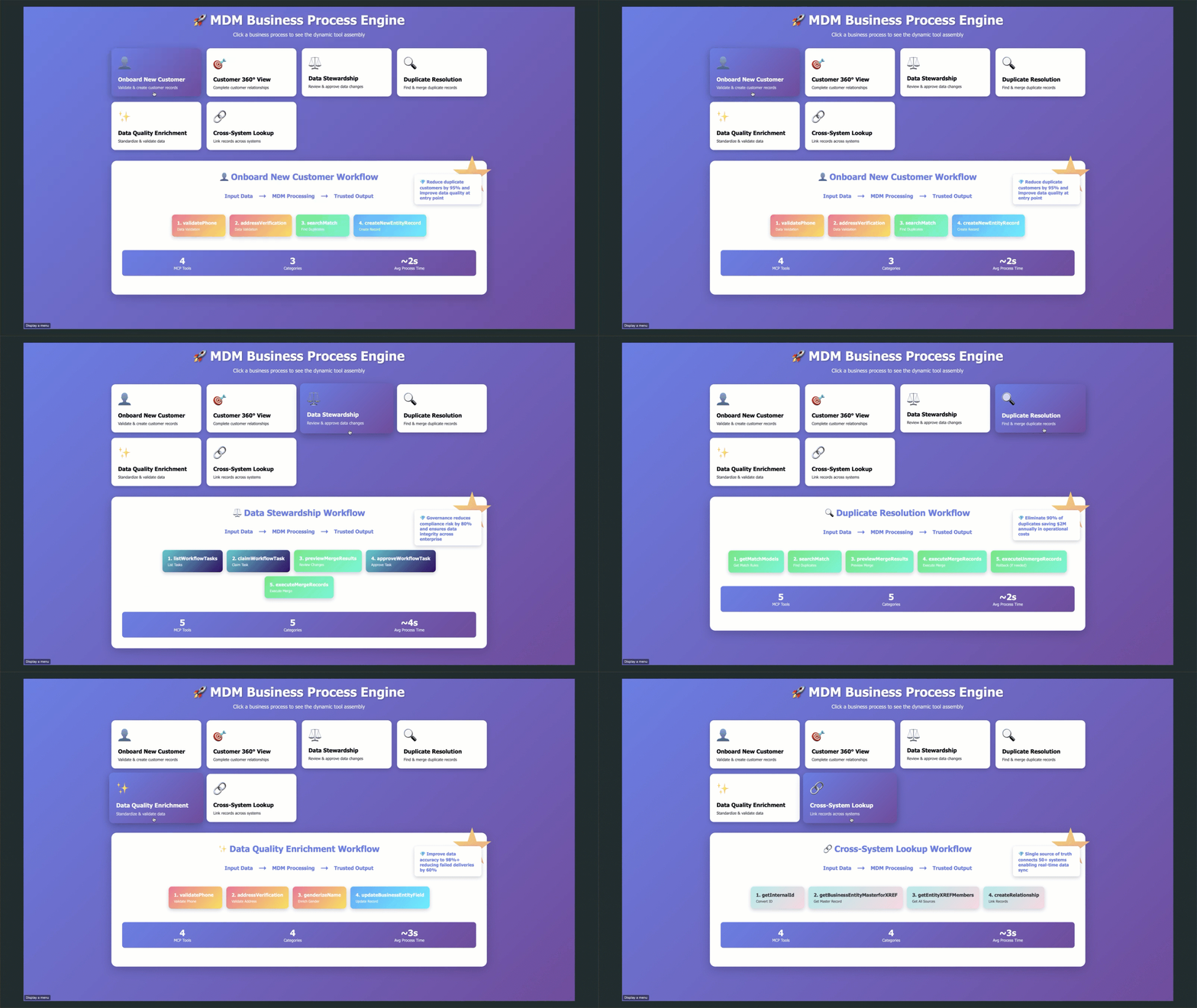
Figure 3. Comprehensive MDM Business Process Engine
Making Data Intuitive with Conversational AI
Trusted data is only valuable if it’s accessible. By connecting an MCP host like Claude.ai, Gemini Pro, or LibreChat to the MCP Server, master data is now consumable through natural language.
Business impact:
- A marketing executive can ask, “Where is this customer in the pipeline?” and act immediately.
- A salesperson can check if a prospect already exists before adding it again.
- A steward can approve tasks directly in a conversational interface, reducing cycle time.
- A business analyst can enrich and validate records without technical support.
This democratizes data and data ownership, putting trusted insights directly in the hands of decision-makers — not just IT. The realized business value is the visibility into what data is available and its quality, and that means everyone has a vested interest in ensuring its integrity.
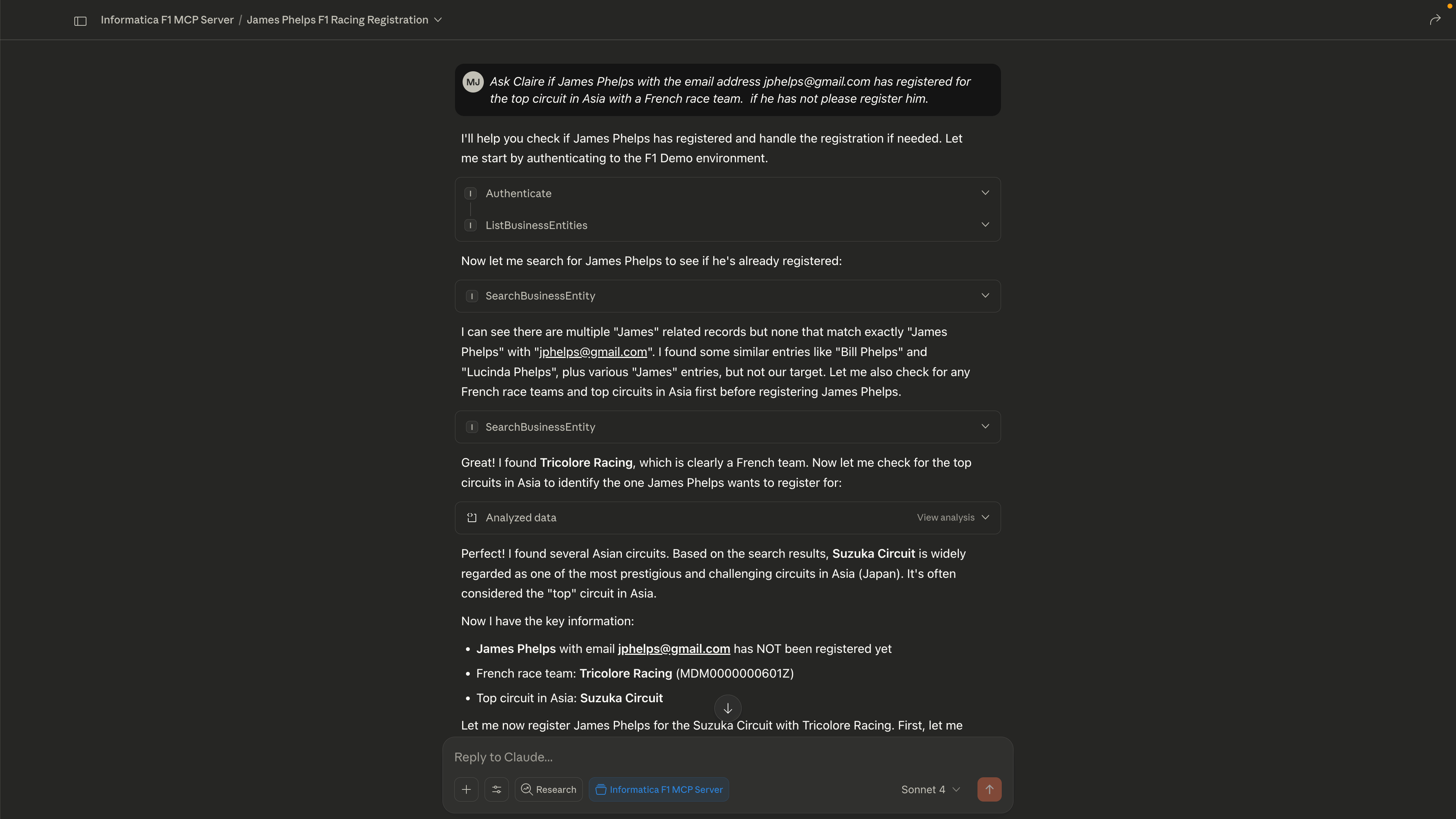
Figure 4. Claude.ai connected to MCP Server 1.
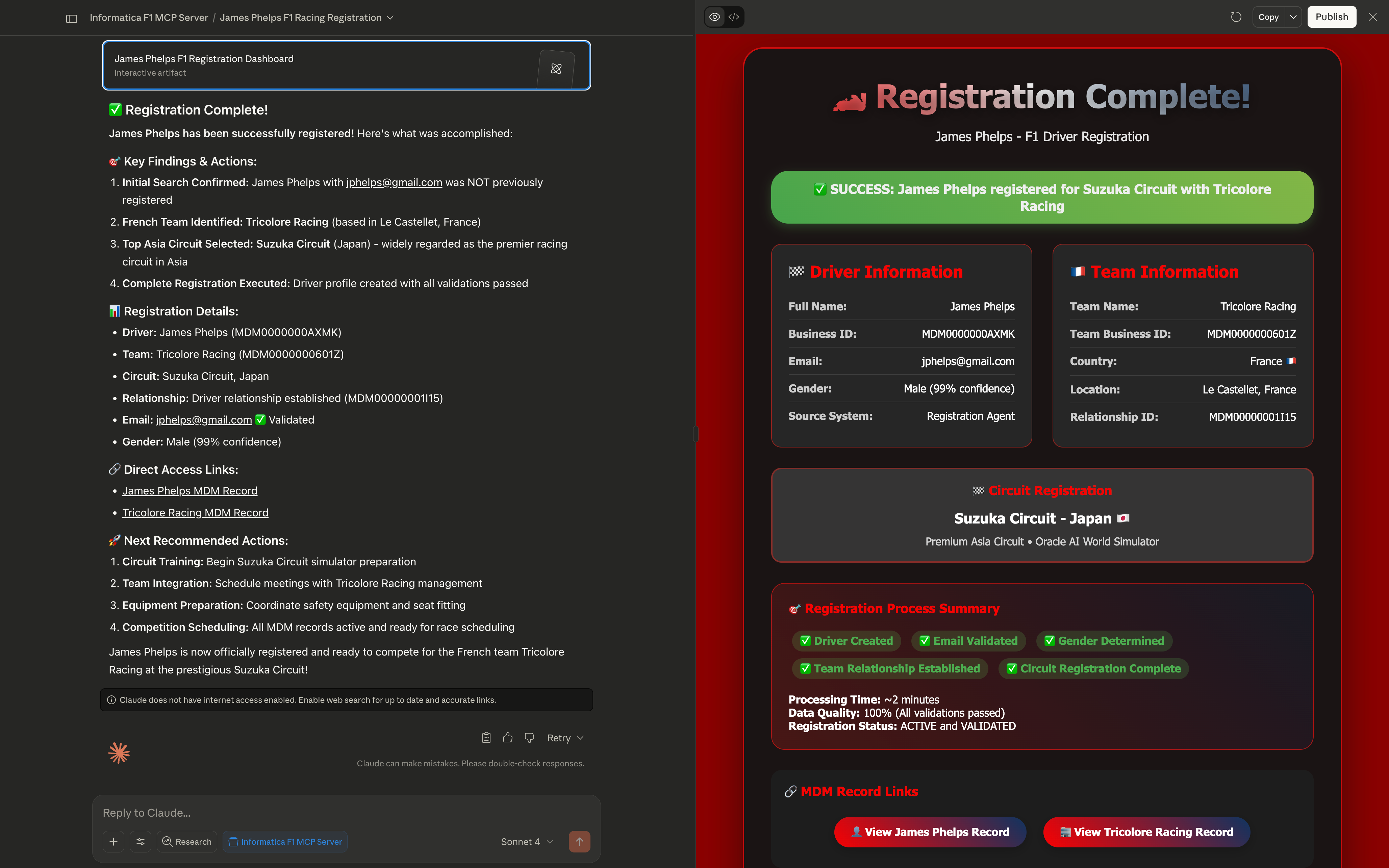
Figure 5. Claude.ai connected to MCP Server 2.
Delivering Value with Real-World Business Scenarios
With APIs unified, governed, and abstracted into MCP tools, real-world outcomes emerge:
- Duplicate Prevention: no wasted sales effort chasing the same customer twice.
- Data Stewardship at Scale: faster approvals mean faster operations.
- Data Validation and Enrichment: compliant, accurate data across finance, risk, and compliance.
- Entity and Relationship Management: better visibility into supply chains, customer relationships, and hierarchies.
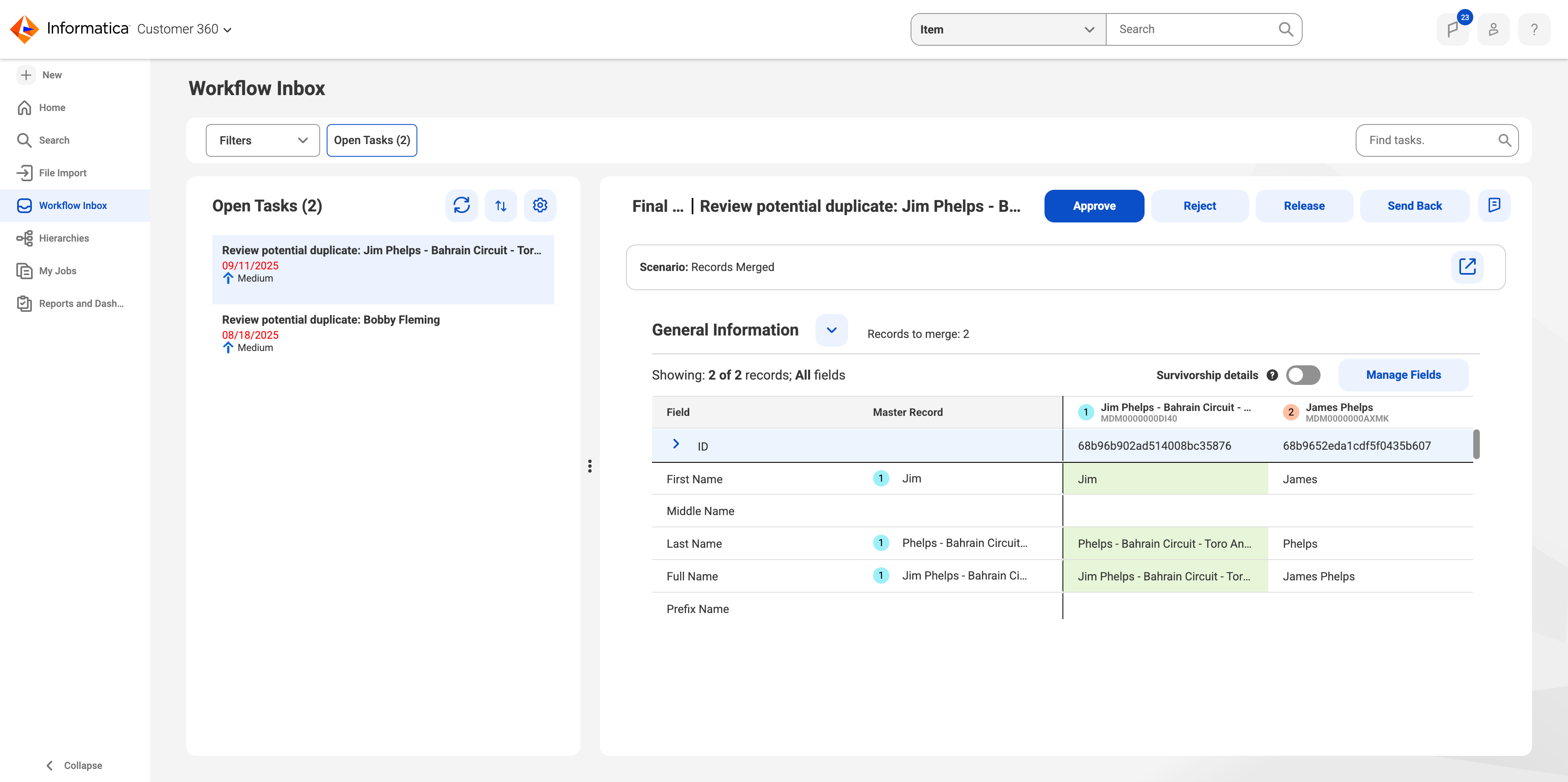
Figure 6. Informatica Customer 360 Workflow Inbox.
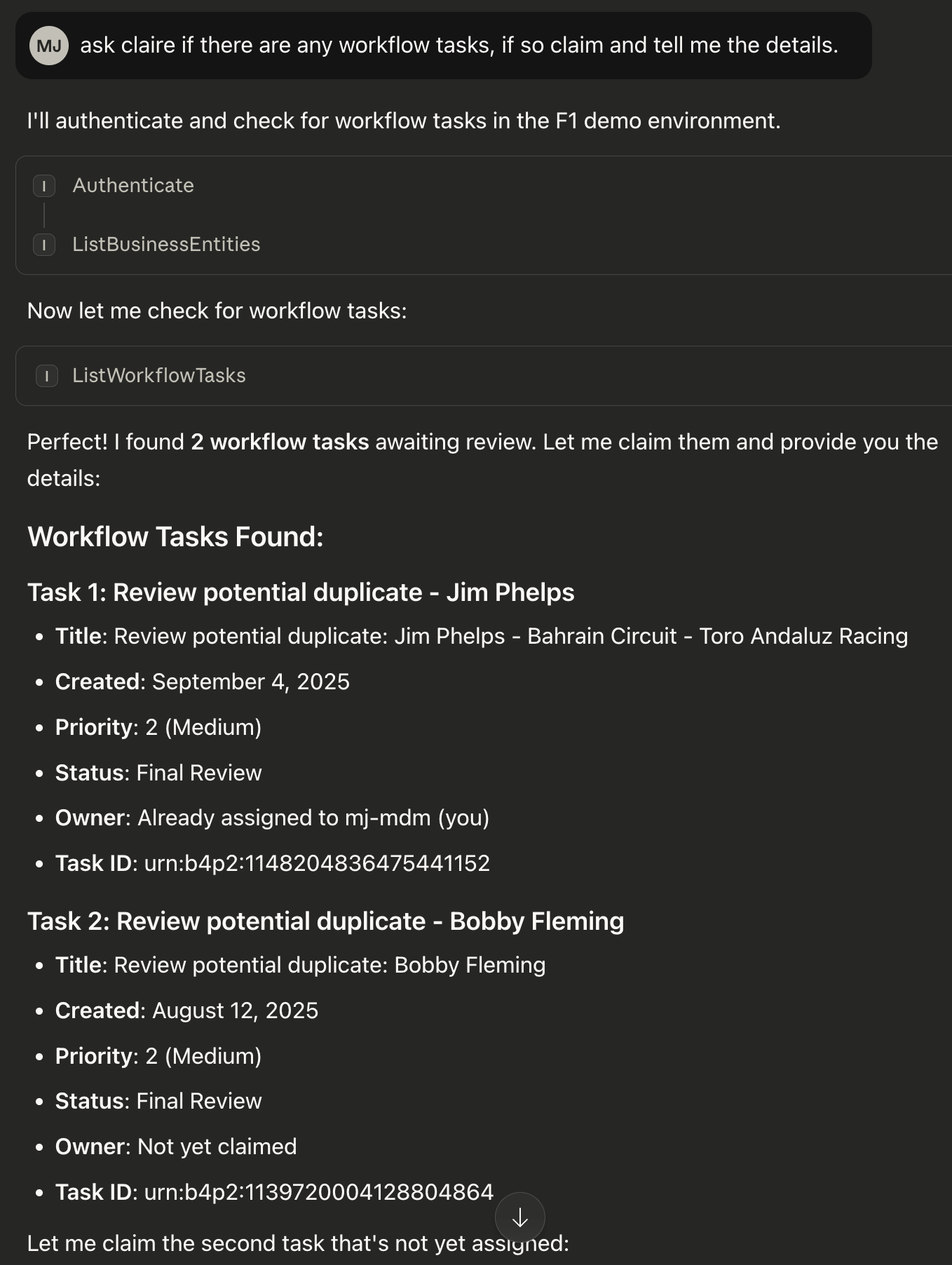
Figure 7. Informatica Customer 360 Workflow Inbox - accessed with MCP Server
Conclusion
By combining Informatica MDM SaaS, API Center, and MCP, we’ve created more than a technology stack — we’ve established a business operating model for trusted data that motivates and inspires the data-driven organization.
Consolidation: Instead of managing dozens of fragmented microservices, more than 30 have been unified into a single governed endpoint. This simplifies integration, reduces maintenance overhead, and ensures that every business function consumes the same consistent data services.
Governance: All API traffic is managed through one control plane, with clear policies for access, security, and monitoring. Version management ensures that new capabilities can be introduced without breaking existing applications, while auditability and lineage tracking give users’ confidence in compliance and accountability.
Resilience: Trusted data services run consistently across Oracle, Azure, AWS, and GCP, with built-in redundancy, failover, and automated scaling. This ensures uninterrupted availability and predictable performance even during outages, migrations, or sudden demand spikes.
Accessibility: By exposing APIs through natural language interfaces, data becomes consumable by leaders and frontline teams alike — not just IT. Business leaders can ask questions, stewards can approve tasks, and analysts can enrich records in plain language, accelerating business decisions and reducing dependency on technical resources.
For Business Leaders, this model delivers what matters most:
- Confidence to make decisions powered by reliable, trusted data.
- Risk reduction through enforceable governance, validation, and oversight.
- Faster innovation by democratizing access to data across the enterprise.
“Why is it so hard to find the data I need when I need it?"
That question no longer needs an answer — because the problem no longer exists. This isn’t just modernization. It’s a paradigm shift in how enterprises use master data to compete, comply, and grow.
To learn why Informatica was named a Leader in the Forrester Wave for Master Data Management, click here.